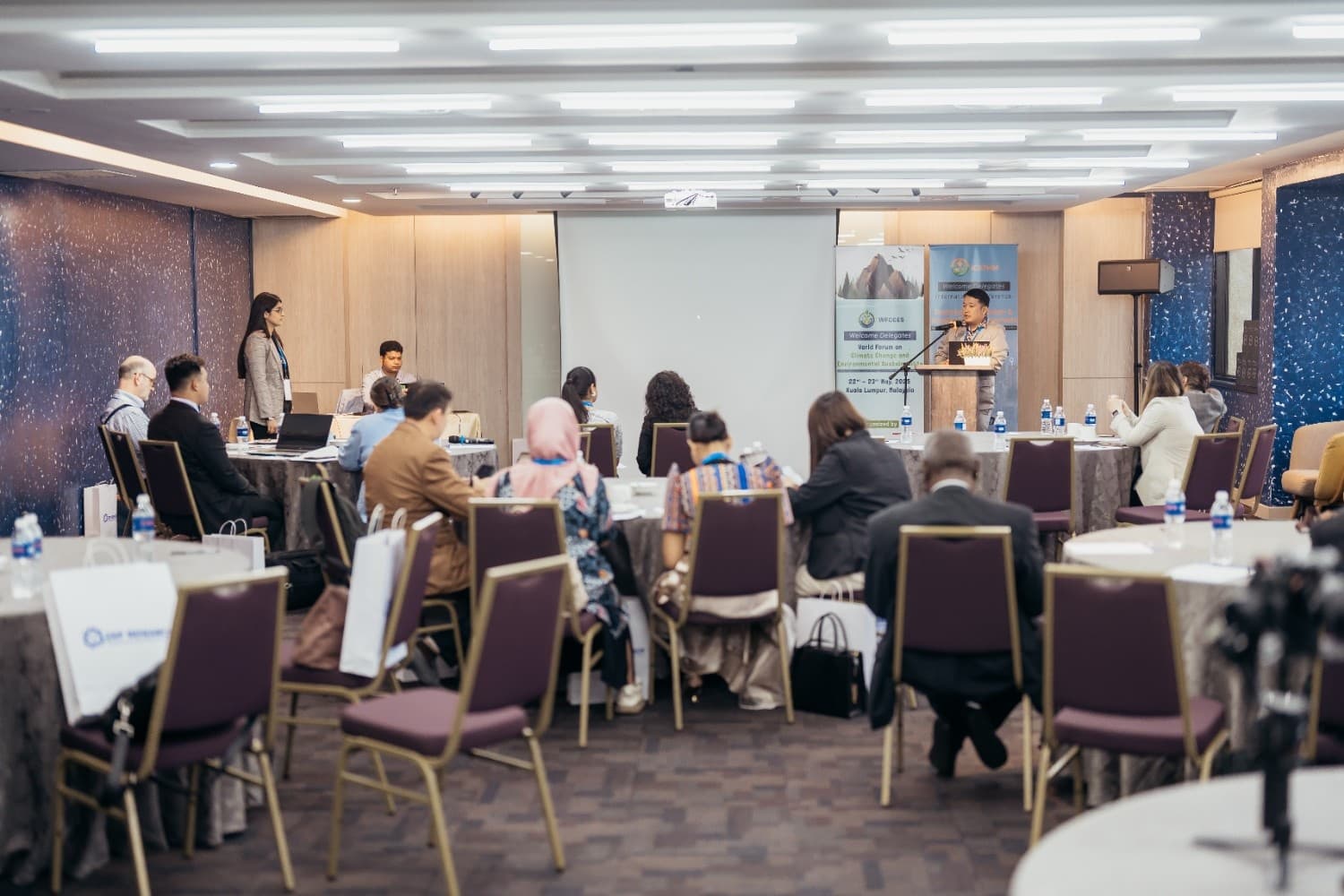
When organizing an Upcoming conferences and webinars by Zep Research academic event—whether a symposium, a workshop Research conference dates and registration series, or a full-scale international conference—choosing the right conference centre is one of the most critical decisions you’ll make. The venue becomes the stage for networking, knowledge Research webinars for professionals and students exchange, publication announcements, and scholarly collaboration. At Zep Research, where we aim to elevate research through expertly managed academic events, your venue choice can make the difference between a “good” event and an outstanding one. Here are our top tips for selecting the perfect conference centre, drawing on our experience and geared to meet the needs of the academic-research community.
1. Understand Your Objectives & Audience
First, be clear on what you want the event to achieve: Is it a small, intensive workshop (50-100 attendees), or a large international conference (300+ participants)? Are you emphasising presentations, poster sessions, networking & collaboration, or publication launching? Understanding your audience—faculty, researchers, grad-students, industry partners—will help you select a venue that aligns with their expectations.
Ask yourself:
-
What size of room(s) will best serve paper sessions, keynote talks, poster displays, networking breaks?
-
Do you need breakout rooms, and if so how many and of what size?
-
Should there be a dedicated registration / exhibitor area, and space for journal / publication booths (especially relevant for Zep Research’s services)?
A venue that meets the functional requirements from the start will save you time and contingency headaches.
2. Location and Accessibility
The geographical location of your conference centre plays a big role in attendee experience and accessibility. Ideally:
-
It should be in or near a hub city with good transport links—international airport, train/metro, good hotel connectivity. That matters especially for an international academic audience.
-
Consider the ease of reaching the venue from the airport or major hotels. If attendees have to spend excessive time commuting, it adds stress.
-
Check local infrastructure: Are there ample nearby accommodations? Are there dining options, cafés or restaurants for after-hours networking? A vibrant local area helps foster informal exchanges that matter in academic events.
-
Also check visa / customs / immigration conditions for international participants if the venue is overseas.
A well-connected, visible location encourages higher participation and contributes to the prestige of the event.
3. Venue Capacity & Flexibility
Even if you anticipate a certain number of participants, always choose a venue that offers flexibility. Academic conferences tend to evolve: registrations might increase, special sessions or poster tracks might be added. So:
-
Ensure the venue has rooms of varying sizes – large auditorium / plenary hall, medium-sized halls, small seminar rooms.
-
The seating formats (theatre style, classroom, U-shape, round-tables) should be configurable. You may start with one format and then need to switch.
-
Check for movable walls or partitioning that allow you to adjust space.
-
Make sure there is space for poster sessions, exhibitor booths, coffee breaks / networking lounges. These are vital for academic events and for services like those Zep Research offers (journal booths, publication promotion, etc.).
-
Ask about maximum capacity and comfortable capacity (for example a 500-seat hall might feel empty with only 50 attendees).
In short: pick a venue that won’t force you to compromise your event structure because of rigid space limitations.
4. Technical Infrastructure & AV Support
Academic events rely increasingly on technology: presentations, video streaming, live sessions, hybrid/virtual participants, remote speakers, poster-walks, etc. So your conference centre must deliver:
-
A reliable and high-bandwidth internet connection (wired + WiFi) which can support many simultaneous users.
-
Built-in audio-visual equipment: projectors, screens, sound system, microphones (wired & wireless), live-streaming or recording capabilities if needed.
-
Support for hybrid/virtual components: If you plan to broadcast some sessions or allow remote participation, check the venue’s capabilities for streaming, web-casting and recording.
-
Technical staff on-site who can troubleshoot audio/video issues, support presenters with their file formats, assist with live-stream setups.
-
Adequate power outlets, good lighting, comfortable visibility for posters, and appropriate stage design if you want keynote visibility.
If these infrastructure items are missing or poorly managed, you risk high-impact sessions being undermined by technical glitches (which reflect badly on the organizer and potentially on Zep Research’s brand).
5. Ambience, Comfort & Branding Opportunities
The conference centre should not only function well—it should also create the right academic-professional ambience. Consider:
-
The aesthetic of the venue: modern meeting rooms, natural light (if possible), comfortable seating, good acoustics. A welcoming environment enhances attendee satisfaction and networking.
-
Logistics for networking: Are there lobby spaces, cafés, outdoor terraces, standing tables, or lounges where participants can gather informally? These informal exchanges are where collaboration often begins.
-
Branding and signage opportunities: Can you display banners, roll-ups, branding for Zep Research, sponsors, journals, partner universities? Are there digital signage screens?
-
Catering & refreshment areas: Coffee breaks, lunch, reception areas should be comfortable and well-located to facilitate flow and chance meetings.
-
Accommodation and local amenities: Proximity of hotels, transport, tourist attractions (for international visitors) all help with the overall experience.
A venue that feels polished and professional sends the right message to researchers, keynote speakers, and publishing partners: that this is a high-calibre event.
6. Cost Efficiency & Contract Terms
Budget is always a consideration. But for academic events organized by Zep Research, where delivering value and reputation matters, cost-effectiveness means more than the lowest fee. Key points:
-
Understand all cost components: room rental, breakout rooms, AV equipment, internet, catering, staffing, overtime charges, extra setup/teardown fees.
-
Hidden costs often appear: for example, charges for extra microphones, live-stream setups, additional coffee stations, décor, signage.
-
Negotiate contract terms: cancellation policies, minimum numbers, deposit requirements, force-majeure clauses. Academic events may face risks (e.g., travel restrictions, speaker cancellations) so flexible terms help.
-
Look for packages: Some venues offer academic-event special pricing or bundled services (AV + internet + catering) which reduce admin overhead.
-
Consider ROI: A venue conveniently located and well-equipped may cost a little more—but if it attracts more participants, better sponsorships, and stronger branding, the extra cost may pay off.
At Zep Research we advise event planners to view venue cost in light of value delivered (participant numbers, networking quality, publication visibility), not just the sticker rental price.
7. Logistics, Accessibility & Safety
Practical day-of logistics matter a lot, especially for international conferences. Important considerations:
-
On-site support: Is there a dedicated event coordinator from the venue? When will staff arrive for set-up? Who handles signage, registration desks, flow of people?
-
Parking / drop-off / transportation: For attendees coming by car or coach, is there parking? Are drop-off zones near the registration entrance? For international visitors, is there access to taxis, rideshare, public transit?
-
Accessibility: Are the rooms reachable for attendees with mobility impairments? Are elevators, ramps, adapted restrooms available? Academic events should be inclusive.
-
Safety and compliance: Fire exits, first-aid provision, security staff, CCTV, compliance with local regulations. Especially for large gatherings, you’ll want the venue to have safety certifications and insurance.
-
Accommodation logistics: Are there enough rooms nearby for all participants? Are group rates available? Is there transportation between hotel and venue? These reduce friction for attendees.
Well-managed logistics ensure that the day runs smoothly, allowing speakers, delegates and sponsors to focus on content and networking—not getting lost or waiting in queues.
8. Sustainability & Responsible Practices
Increasingly, academic institutions and researchers care about the sustainability credentials of events. Consider selecting a venue that demonstrates:
-
Environment-friendly practices: recycling bins, reduced-waste catering (e.g., minimal single-use plastics), energy efficient lighting/heating, local sourcing of catering.
-
Digital alternatives: options for paperless signage, mobile event apps, digital badges, online programmes, reducing printed materials.
-
Transportation options: proximity to public transit, bike racks, incentives for shared transport.
By aligning with sustainability values, you enhance the appeal of your event for eco-conscious researchers and institutions—and this builds the credibility of Zep Research as a forward-thinking organiser.
9. Enhancing Publication & Networking Opportunities
Since Zep Research specialises in academic conferences, journals, publishing support and researcher collaborations, the venue should support these linked goals:
-
Space for publication and journal booths: A dedicated area where attendees can meet journal editors, ask questions about publication support, view sample issues, and network with publishing-services staff. This enhances visibility of Zep Research’s services.
-
Poster-and-pavilion zones for emerging researchers: Poster sessions offer high visibility for graduate students or early career researchers—a key value of academic conferences. Ensure the venue accommodates poster boards, traffic flow, and lighting.
-
Networking zones: comfortable lounges or dedicated “coffee & collaboration” areas help foster spontaneous discussions, researcher meet-ups, and cross-discipline interactions. These interactions often lead to future journal submissions, research partnerships, and future event memberships.
-
Technology-enabled networking: Some venues provide integrated event apps, attendee messaging boards, digital matchmaking kiosks—these increase engagement, make the event more appealing to high-profile researchers and facilitate P2P or researcher-industry connections.
Selecting a centre that supports these publication-and-networking goals helps Zep Research deliver stronger value to delegates, speakers, and sponsoring institutions.
10. Visit & Vet In Person
Finally, don’t rely solely on websites or brochures. Before committing:
-
Schedule a site visit (or virtual tour). Walk through the rooms, measure lighting, check acoustics, see how breakout rooms connect.
-
Ask to see past academic events held there: How did their banners look? How did registrations flow? How was catering handled? What did poster sessions look like?
-
Talk to previous clients or request references. Ask about hidden costs, technical glitches, staff responsiveness, attendee feedback.
-
Run through a full event timeline with the venue: registration opening, parallel sessions, coffee breaks, poster sessions, closing ceremony. See if the timing and flow are comfortable.
-
Assess how the venue team handles special requirements (e.g., remote speakers, hybrid sessions, simultaneous translation). Academic events often demand extra flexibility.
A hands-on vetting helps avoid unpleasant surprises on event day and preserves the professionalism and reputation of your conference.
In Summary
Selecting the perfect conference centre is about aligning space, infrastructure, logistics, atmosphere and value with your academic event’s goals. For an organiser like Zep Research—committed to driving research collaboration, high-quality publication, and global academic networking—it’s not enough to simply book a hall. You need a venue that enhances your mission: supports the flow of ideas, enables publication opportunities, encourages interdisciplinary networking, and leaves participants with a professional, memorable experience.
When you structure your venue-selection process around these ten tips—objectives & audience, location, capacity & flexibility, technical infrastructure, ambience & branding, cost efficiency, logistics & safety, sustainability, publication & networking support, and in-person vetting—you position your academic conference for success. Attendees will appreciate the thoughtful planning, speakers will engage more deeply, sponsors will see better returns, and the outcomes (papers submitted, collaborations formed, research shared) will be stronger.