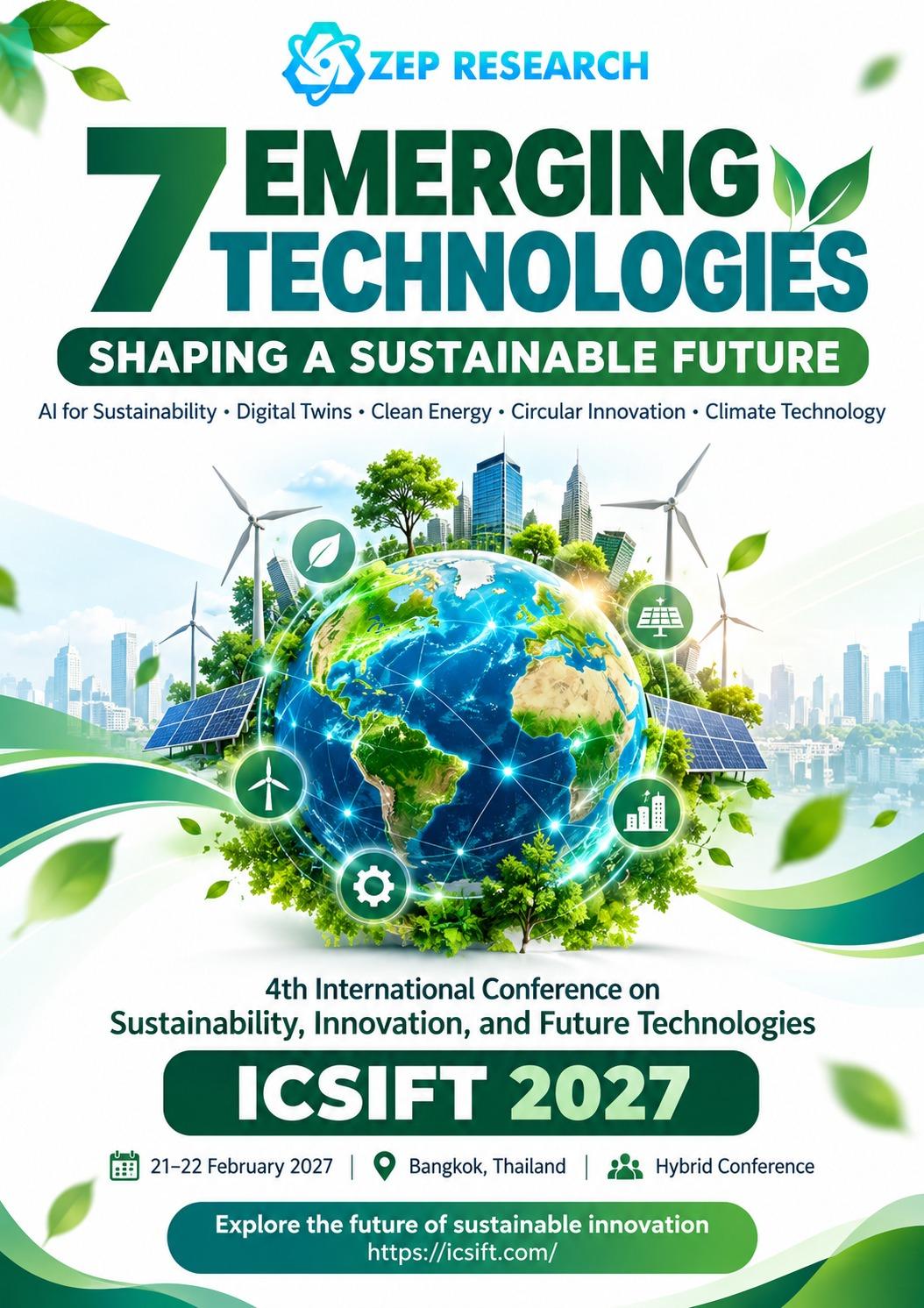
10 Emerging Research Fields That Will Shape the Future
1. Artificial Intelligence and Machine Learning
Artificial Intelligence (AI) and Machine Learning (ML) have become some of the most influential areas of modern research. AI focuses on developing systems that can perform tasks that typically require human intelligence, such as decision-making, language processing, and pattern recognition.
Researchers are applying AI in numerous fields, including healthcare, finance, education, and transportation. In medicine, AI algorithms can analyze medical images to detect diseases at early stages. In business, AI helps companies analyze large datasets to improve decision-making.
As computing power increases and data becomes more accessible, AI research will continue to expand, leading to smarter systems that enhance productivity and innovation.
2. Biotechnology and Genetic Engineering
Biotechnology is revolutionizing healthcare, agriculture, and environmental science. This field involves the use of biological systems and organisms to develop products and technologies that improve human life.
One of the most exciting areas of biotechnology is genetic engineering, where scientists modify DNA to treat diseases or improve crop productivity. Technologies such as gene editing are opening new possibilities for treating genetic disorders, developing personalized medicine, and producing disease-resistant crops.
Biotechnology research is expected to play a critical role in addressing global health challenges and ensuring food security in the future.
3. Quantum Computing
Quantum computing represents a significant advancement in computational science. Unlike traditional computers that use binary bits (0s and 1s), quantum computers use quantum bits or qubits, which allow them to process information in much more complex ways.
This technology has the potential to solve problems that are currently impossible for classical computers, including complex simulations in chemistry, drug discovery, and advanced cryptography.
Although quantum computing is still in the early stages of development, ongoing research suggests it could dramatically transform computing capabilities and scientific research.
4. Renewable Energy and Sustainable Technologies
As the world faces growing environmental challenges, research in renewable energy and sustainable technologies is becoming increasingly important. Scientists are exploring new ways to generate energy from natural resources such as solar power, wind energy, and hydropower.
Research in this field also focuses on improving energy storage systems, developing efficient batteries, and creating smart energy grids. These technologies are essential for reducing greenhouse gas emissions and transitioning to a cleaner and more sustainable energy future.
The development of sustainable technologies will play a vital role in combating climate change and ensuring long-term environmental stability.
5. Data Science and Big Data Analytics
In today's digital world, massive amounts of data are generated every second. Data science and big data analytics focus on extracting meaningful insights from large and complex datasets.
Researchers use advanced statistical techniques, machine learning algorithms, and data visualization tools to analyze information and identify patterns. These insights help organizations make informed decisions in fields such as healthcare, finance, marketing, and public policy.
As data continues to grow in volume and importance, research in data science will remain a key driver of innovation and technological progress.
6. Robotics and Automation
Robotics and automation research focuses on designing machines that can perform tasks independently or assist humans in various activities. Robots are already being used in manufacturing, healthcare, agriculture, and space exploration.
Modern robotics research combines artificial intelligence, sensors, and advanced engineering to create intelligent machines capable of performing complex tasks. For example, robotic systems can assist surgeons in performing precise medical procedures or help farmers monitor crops more efficiently.
As automation technologies evolve, robotics will continue to transform industries and improve productivity.
7. Cybersecurity and Digital Privacy
With the increasing reliance on digital technologies, cybersecurity has become a critical area of research. Cybersecurity focuses on protecting computer systems, networks, and data from unauthorized access, cyberattacks, and digital threats.
Researchers are developing advanced security systems to protect sensitive information, detect cyber threats, and ensure secure communication in digital environments.
As more aspects of daily life move online, cybersecurity research will play a crucial role in safeguarding digital infrastructure and maintaining trust in technology.
8. Nanotechnology
Nanotechnology involves the study and manipulation of materials at the nanoscale level, typically between 1 and 100 nanometers. At this scale, materials often exhibit unique physical and chemical properties that can be used to create innovative technologies.
Nanotechnology research has applications in medicine, electronics, energy, and environmental science. For example, nanoparticles can be used to deliver drugs directly to targeted cells in the human body, improving treatment effectiveness while reducing side effects.
This field continues to grow as scientists discover new ways to apply nanomaterials in practical applications.
9. Space Exploration and Astrophysics
Space research has entered a new era with advancements in satellite technology, space missions, and astronomical observations. Scientists are exploring distant planets, studying cosmic phenomena, and searching for signs of life beyond Earth.
Research in astrophysics helps scientists understand the origins of the universe, the behavior of stars and galaxies, and the fundamental laws of physics.
As both government agencies and private companies invest heavily in space exploration, this field will continue to expand and provide new insights into the universe.
10. Smart Cities and Internet of Things (IoT)
The concept of smart cities involves integrating technology into urban infrastructure to improve the quality of life for residents. The Internet of Things (IoT) plays a major role in this transformation by connecting devices, sensors, and systems through the internet.
IoT research focuses on developing technologies that enable smart transportation, efficient energy management, improved waste management, and enhanced public safety.
As urban populations continue to grow, smart city technologies will become increasingly important for creating sustainable and efficient urban environments.
Conclusion
Emerging research fields are shaping the future of science, technology, and society. Innovations in artificial intelligence, biotechnology, renewable energy, and other advanced disciplines are opening new opportunities for solving complex global challenges.
For students, researchers, and professionals, staying informed about these emerging fields can provide valuable insights into future career opportunities and research directions. As scientific exploration continues to expand, these areas will play a key role in driving progress and improving the world for future generations.