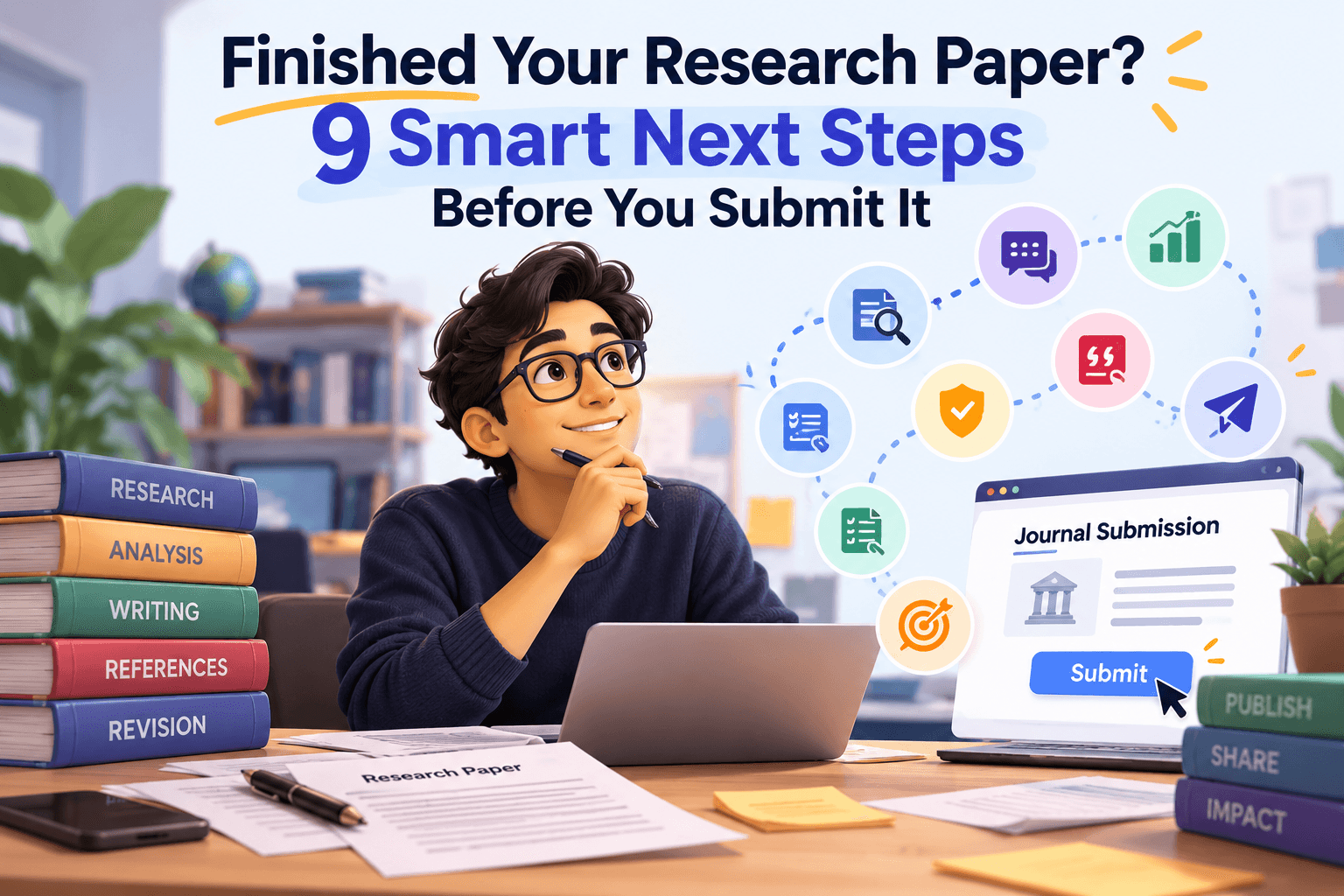
The global research landscape is evolving faster than ever before. As we move into 2026, two powerful forces are transforming the way knowledge is created, shared, and applied: Artificial Intelligence (AI) and Sustainability. These trends are not isolated developments; they are deeply interconnected drivers shaping research priorities, publication standards, and international conferences across disciplines. For researchers, academicians, and industry professionals, understanding these shifts is essential for staying relevant, increasing publication success, and contributing meaningful impact to society.
The Rise of AI-Driven Research
Artificial Intelligence has moved beyond being a specialized field of study. It is now a foundational tool influencing nearly every research domain — from healthcare and engineering to social sciences and business analytics.
1. AI as a Research Assistant
Modern AI tools are accelerating literature reviews, data processing, pattern recognition, and predictive modeling. Researchers can now analyze large datasets in a fraction of the time previously required. This efficiency allows scholars to focus more on interpretation, innovation, and theoretical development rather than manual data handling.
2. Smarter Data Analysis
Machine learning algorithms are enabling more accurate forecasting models, advanced simulations, and real-time data interpretation. In fields such as climate science, medicine, and economics, AI-powered models are improving research precision and expanding analytical possibilities.
3. Ethical AI and Responsible Innovation
As AI adoption increases, so does the responsibility to use it ethically. Transparency, bias mitigation, data privacy, and explainability are becoming central research themes. Journals and conferences are now encouraging submissions that address ethical frameworks alongside technical advancements.
AI is no longer just a research topic—it is becoming an essential research partner.
Sustainability as a Core Research Priority
At the same time, sustainability has emerged as one of the most critical global priorities. Climate change, renewable energy, resource management, and sustainable development goals are influencing funding bodies, universities, and policy makers worldwide.
1. Interdisciplinary Sustainability Research
Sustainability research now spans engineering, environmental science, economics, public policy, technology, and even behavioral sciences. Researchers are collaborating across disciplines to develop comprehensive solutions rather than isolated findings.
2. Green Innovation and Technology
Emerging research areas include renewable energy systems, smart grids, sustainable materials, carbon capture technologies, and circular economy models. These themes are attracting strong interest in journals and international conferences.
3. Social and Economic Sustainability
Beyond environmental aspects, research is increasingly exploring sustainable business models, ethical governance, and inclusive economic growth. Sustainable development is no longer limited to environmental studies; it is a holistic research approach.
Where AI and Sustainability Intersect
One of the most exciting developments in modern research is the intersection of AI and sustainability.
AI models are optimizing renewable energy systems.
Predictive analytics are supporting climate risk assessment.
Smart algorithms are improving waste management and resource allocation.
AI-driven simulations are helping governments design sustainable urban infrastructure.
This convergence is creating new publication opportunities and conference themes that combine data science with environmental innovation.
Implications for Publications in 2026
Academic publishing is adapting to these trends in several important ways:
1. Increased Demand for Interdisciplinary Papers
Journals are prioritizing research that bridges multiple fields, particularly studies combining technology with sustainability outcomes.
2. Emphasis on Real-World Impact
Editors and reviewers are placing greater value on practical applications and measurable societal contributions.
3. Higher Standards for Data Transparency
With AI-driven research expanding, journals are strengthening policies on reproducibility, data sharing, and methodological clarity.
4. Focus on Innovation and Originality
As research output grows globally, originality and clear problem-solving frameworks are becoming critical for publication success.
Researchers who align their studies with these expectations are more likely to achieve acceptance in high-quality journals and indexed publications.
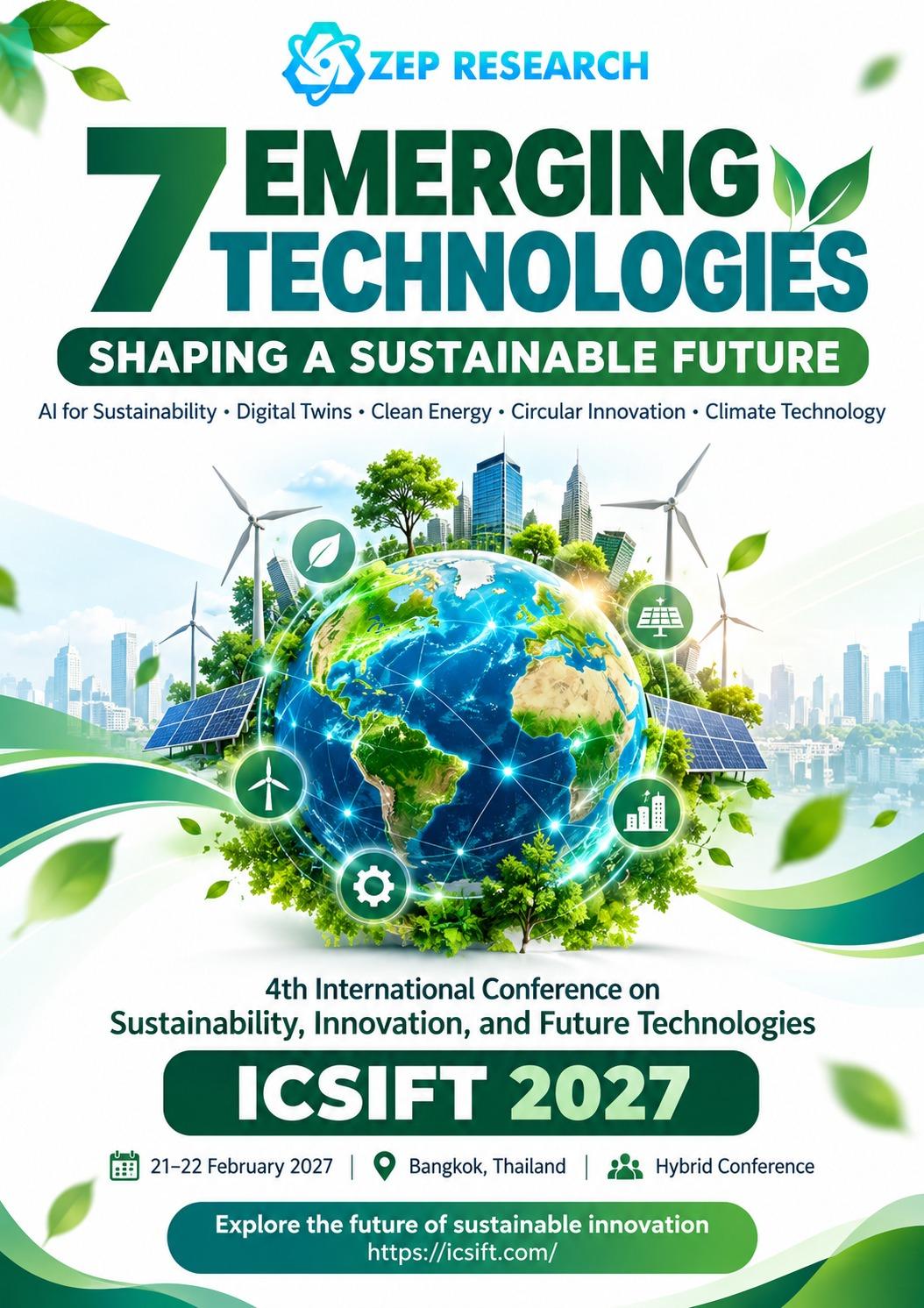
Conference Trends to Watch in 2026
International conferences are also evolving in response to these global shifts.
Dedicated tracks on AI applications across industries
Sustainability-focused summits aligned with global development goals
Hybrid events combining virtual and in-person participation
Workshops on research methodology, ethical AI, and advanced analytics
Conferences are no longer just presentation platforms; they are becoming collaborative ecosystems where academia and industry meet to solve real-world challenges.
How Researchers Can Prepare
To stay competitive in 2026, researchers should:
Develop skills in AI tools and data analytics
Focus on sustainability-driven problem statements
Build interdisciplinary collaborations
Stay updated with journal guidelines and publication standards
Participate in conferences that align with emerging global priorities
Continuous learning and strategic topic selection are essential for research visibility and impact.
Conclusion
AI and sustainability are not temporary trends — they are defining pillars of modern research. Together, they are reshaping how studies are conducted, evaluated, and disseminated across the globe.
For researchers, this transformation presents both challenges and unprecedented opportunities. By embracing intelligent technologies and addressing sustainable development goals, scholars can contribute meaningful solutions while enhancing their publication and conference success.
As 2026 approaches, the future of research belongs to those who combine innovation with responsibility — leveraging AI to build a more sustainable and knowledge-driven world.